
Tufte’s fifth and final analytical design theory is Micro-Macrocosm. Unlike Tufte’s theory of the comparison of small multiples, where multiple visuals are added and assembled alongside each other to create one bigger visual, this theory utilises individual concepts and pieces of information brought together to create something with a whole new contextual meaning and purpose. Tufte (1990) states “(its) bringing together how seeing, and therefore thinking, could be intensified”. By this, he means that the context and ideas behind productions can be intensified when they are brought together, as a new meaning is created.
In relation to my assignment’s focus point being hyper-stylized visual media, the theory of Micro-Macrocosm is distinctly applied to the purpose and creation of multimedia products designed to construct the identity of iconic brands associated with said media. My favourite example of this in terms of brands that I am particularly fond of is the Pokémon brand, which encompasses media comprising of video games, animation, trading cards, toys, figurines, posters, real-world events, merchandise and competitive scenes, all represented through a variety of artwork depicting the brand’s main mascots/ characters – the Pokémon themselves.





Above are five different Pokémon creatures that have been used throughout a large variety of Pokémon brand content; Pikachu, Alolan Vulpix, Meowth, Shaymin and Calyrex. These creatures are all designed with a visually striking and approachable aesthetic and are central to the entire brand. Alone, they are just fantasy creatures with magical powers in concept, but paired with all the (previously mentioned) multimedia for over 25 years they have pushed the brand’s popularity to astronomical lengths, becoming the biggest and most profitable media franchise of all time. Below are various examples of how Pokémon have made up the brand through how they’ve been utilized in various forms of media.

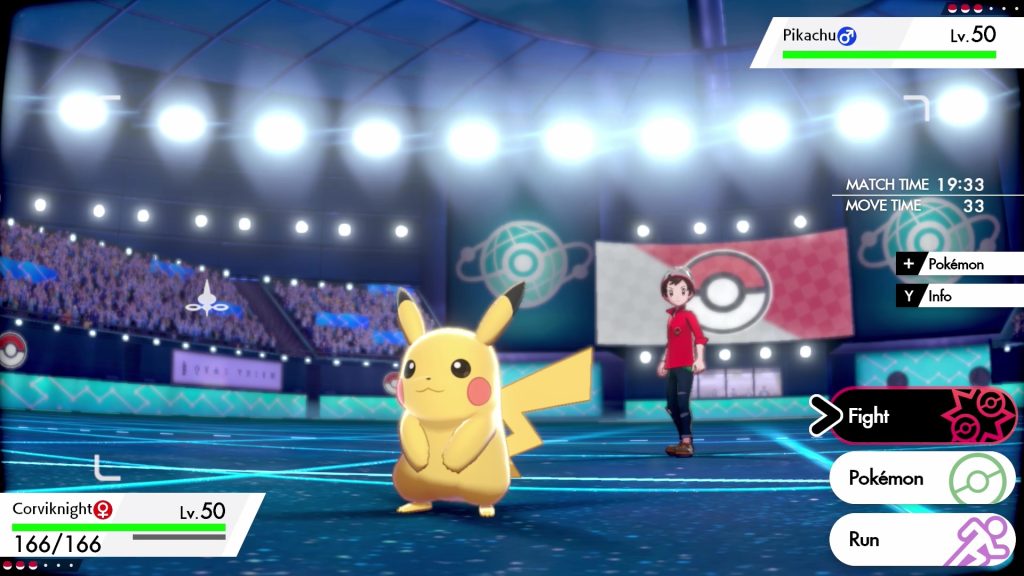
Pikachu is the mascot of the Pokémon brand, where it debuted in the brand’s first-ever piece of media, being the games Pokémon Red and Pokémon Blue for 1989’s Game Boy system. Its title of mascot sparked from its inclusion as the main (human) character Ash’s companion in the massively popular anime ‘Pokémon: The Series’ that began in 1999, which is still continuing to this day after 24 seasons. Becoming the brand’s mascot, and in turn most popular Pokémon worldwide, it can be argued that Pikachu has single-handedly fueled the entire success of the Pokémon brand that has enabled it to continue and strive as it has over the past 25 years.
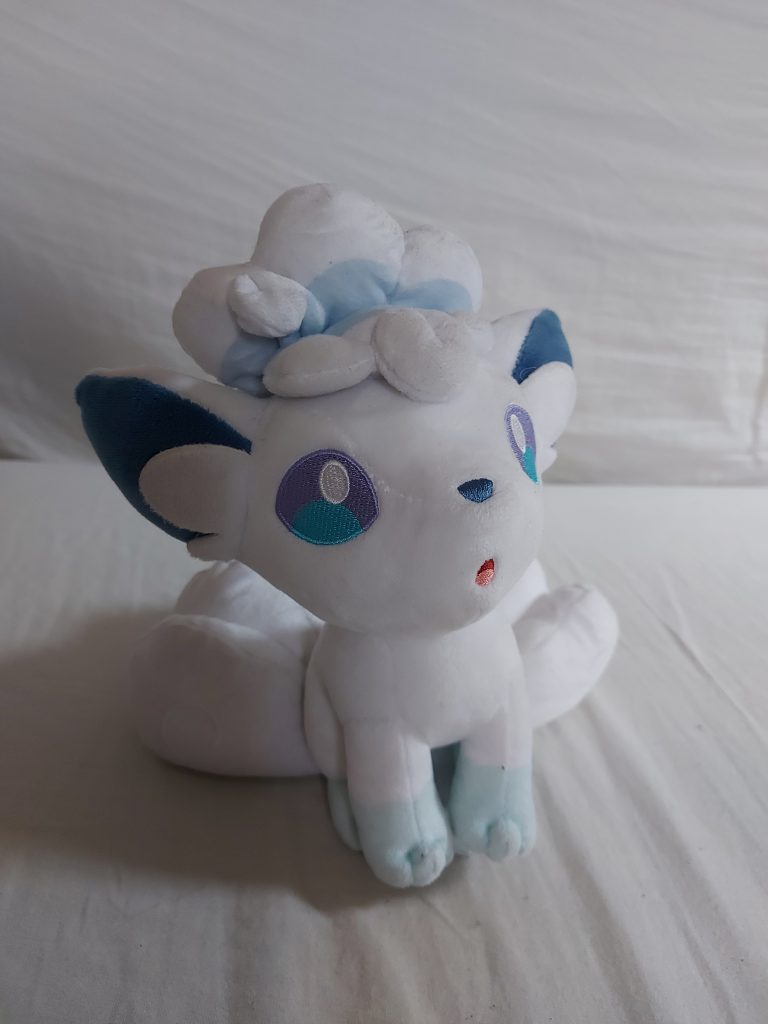
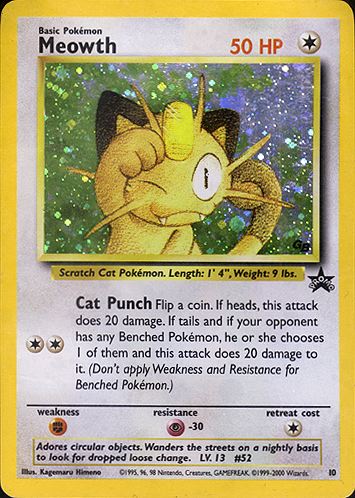


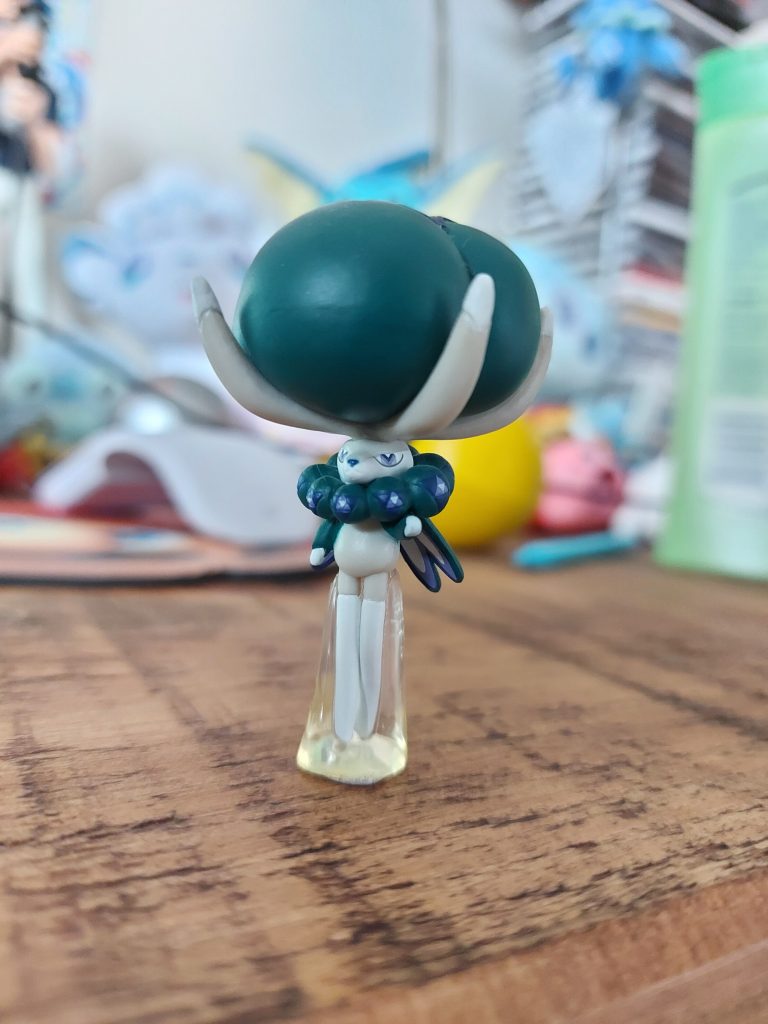
The Pokémon brand itself and its entirety are formed through all of these products and pieces of media brought together by these digital creatures, where the creatures are always the central focus as they can be interacted with and enjoyed in a myriad of ways.
References:
Tufte. E.R., 2004. An Interview with Edward R. Tufte. Available online: http://www.edwardtufte.com/tufte/s15427625tcq1304_5.pdf [Accessed 15/11/2021].
Figure 1: Pokémon International (1996). 025 Pikachu [Promotional artwork]. Available online: https://bulbapedia.bulbagarden.net/wiki/Pikachu_(Pok%C3%A9mon) [Accessed: 16/11/2021]
Figure 2: Pokémon International (2016). 037 Vulpix [Promotional artwork]. Available online: https://bulbapedia.bulbagarden.net/wiki/Vulpix_(Pok%C3%A9mon) [Accessed: 16/11/2021]
Figure 3: Pokémon International (1996). 052 Meowth [Promotional artwork]. Available online: https://bulbapedia.bulbagarden.net/wiki/Meowth_(Pok%C3%A9mon) [Accessed: 16/11/2021]
Figure 4: Pokémon International (2006). 492 Shaymin [Promotional artwork]. Available online: https://bulbapedia.bulbagarden.net/wiki/Shaymin_(Pok%C3%A9mon) [Accessed: 16/11/2021]
Figure 5: Pokémon International (2019). 898 Calyrex [Promotional artwork]. Available online: https://bulbapedia.bulbagarden.net/wiki/Calyrex_(Pok%C3%A9mon) [Accessed: 16/11/2021]
Figure 6: Pokémon International (1999). Pikachu [Television screenshot]. Available online: https://www.wired.com/2016/09/binge-guide-pokemon-indigo-league/ [Accessed: 16/11/2021]
Figure 7: Nintendo (2019). Pokémon Sword and Shield Gym Battle [Videogame screenshot]. Available online: Pikachu battle: https://vgculturehq.com/e3-2019-pokemon-sword-and-shield-preview-more-of-the-same/pokemon-sword-shield-gym-battle-e3-pikachu/ [Accessed: 16/11/2021]
Figure 8: Jacob Appleton-Burdall (15/11/2021) Vulpix soft toy [Photograph].
Figure 9: Pokémon International (1999). Meowth Wizards Black Star Promotion [Trading card]. Available online: https://bulbapedia.bulbagarden.net/wiki/Meowth_(Wizards_Promo_10) [Accessed: 16/11/2021]
Figure 10: Jacob Appleton-Burdall (15/11/2021) Meowth Booklet [Photograph].
Figure 11: Nintendo (2009). Shaymin Event [Poster]. Available online: https://bulbanews.bulbagarden.net/wiki/Toys_%27R%27_Us_giving_away_Shaymin_in_February [Accessed: 16/11/2021]
Figure 12: Jacob Appleton-Burdall (15/11/2021) Calyrex Figurine [photograph].