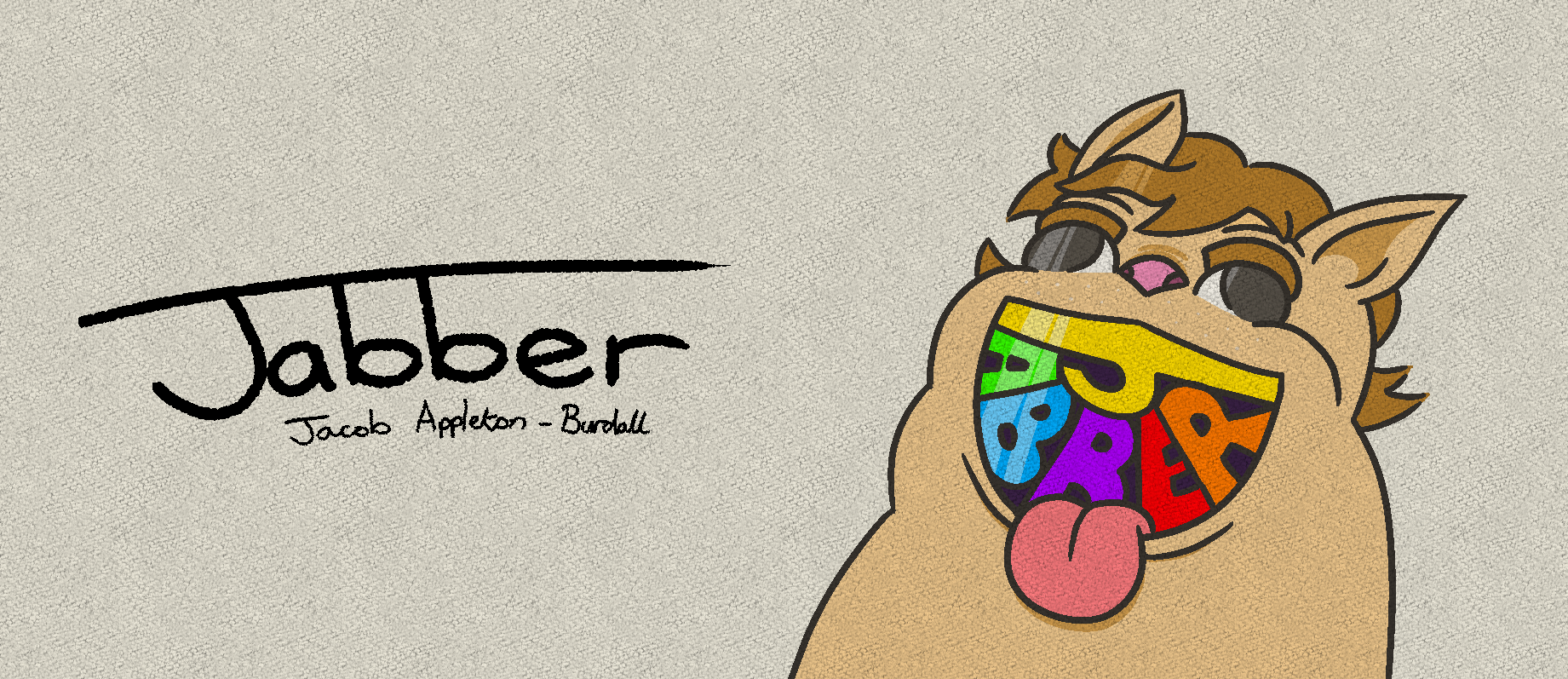
I am aiming to utilize hyper-stylistic aesthetic and iconography in the design of my character. A character can achieve this look through the use of simplicity, boldness, originality, shape, form, colour, and proportion, creating a design that is highly recognisable, distinctly original and visually diverse. Animation and video games are, by far, the biggest examples of this design mentality being put into application.
I have chosen to use this design style as I believe it can be applied excellently to 3D modelling specifically. Countless times I have noticed that, unless crafted expertly by veterans and professionals, 3D models of realistic designs frequently look unprofessional, ‘uncanny valley’, aged and unable to stand the test of time, especially when the artists have a reduced budget or production time, or not as much experience. However, 3D models of things with a simplistic and stylistic design can have miles more effort and artistic flare applied to their creation, making them look miles more visually appealing and high-quality in comparison, as the effort and skill to make them look realistic isn’t required.
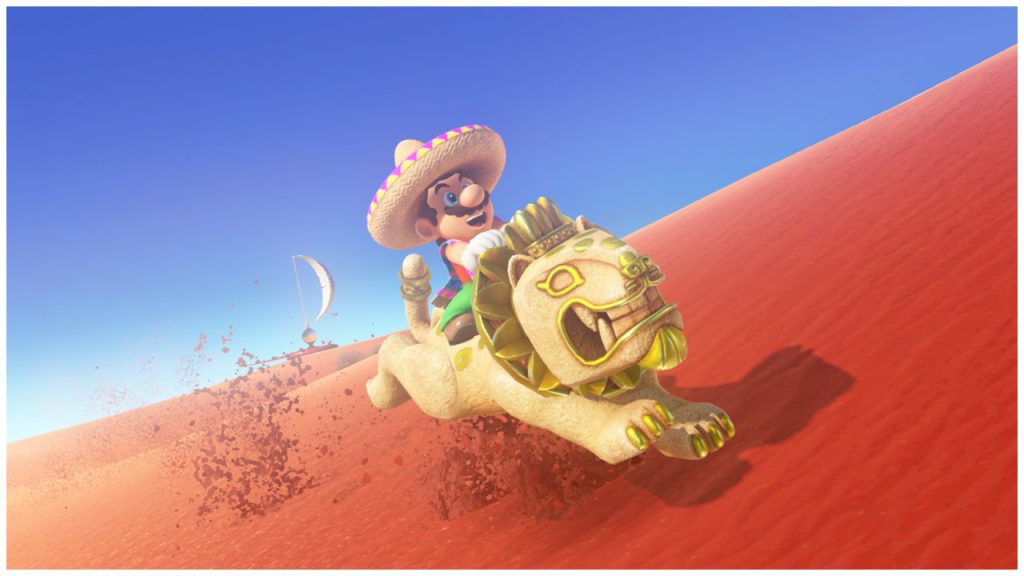
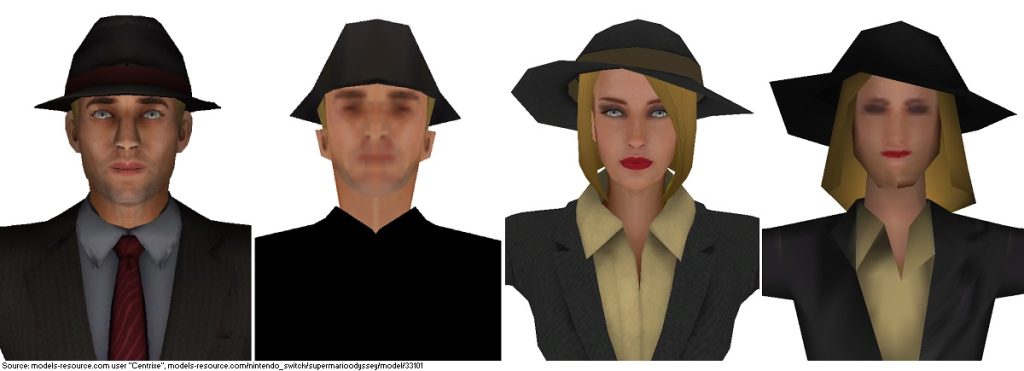
The best example of this in the present day is the video game company Nintendo – they succeed massively when they create 3D models of characters and assets that are simpler and more iconic in design, but when tasked with creating realism they majorly fall flat. This is demonstrated perfectly in their latest (mainline) game in the Super Mario series, Super Mario Odyssey, where the 3D models of characters like Mario, the Toads and Princess Peach, and assets like plastic trees and giant golden coins are stunningly produced with a high level of detail and visual flair, as this kind of design aesthetic has always been their forté, whereas other assets found in the same game, like realistically proportioned humans and concrete skyscrapers, end up looking amateurish in comparison.
I understand how difficult and time-consuming modelling in a realistic style is, therefore I absolutely know that with my extremely limited knowledge and experience of 3D design it will be much better for me to create something in a style I am much more familiar with, especially since my illustration style parallels it too.
References:
– Nintendo (2017) Mario riding a Jaxi [Video game screenshot]. Available online: https://www.t3.com/features/super-mario-odyssey-review [Accessed: 20/01/2022]
– Nintendo (2017) New Donkers [Video game model assets screenshot]. Available online: https://twitter.com/mariobrothblog/status/1335744241901973505 [Accessed: 20/01/2022]
![3D Character Design [04]: Dissection of fictional narrative, personality and visual composition of my final character design – ‘Val’](https://appleton-burdall.2018.hulldesign.co.uk/wp-content/uploads/2021/04/3d-character-concept-image-banner-2-300x138.png)