Note: Japanese literature is read in the opposite direction of Western literature. Start from the top-right of the right page and navigate each text bubble left, then down.
The following excerpts are photo scans from physical publications of pages that particularly stood out to me and inspired my project.
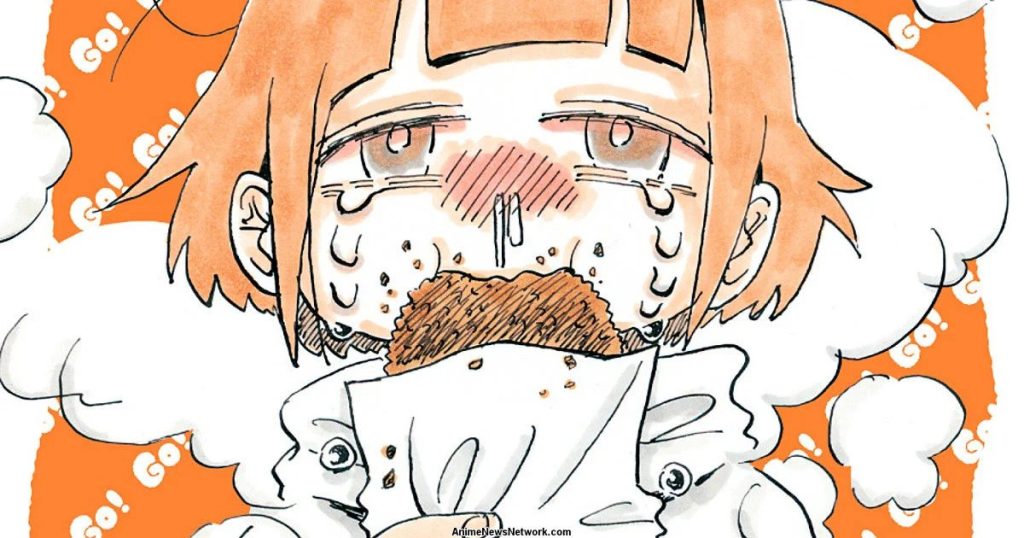
Not too long ago I discovered ‘My Lesbian Experience with Loneliness’, an autobiographical manga (Japanese graphic novel) by Japanese author and illustrator Nagata Kabi. It is about the author’s struggles with a variety of aspects of her life like loneliness, finding love from her family, desperately wanting a romantic and sexual partner, poor mental health and self-harm, as well as the causes, responses and feelings of these issues. Due to the massive success of this first publication, she has released more volumes that further document her continuing struggles and events that have occurred since, with there now being a total of 6 different releases in her series covering additional topics like alcoholism, hospitalization and marriage. I decided to purchase the first 4 series entries from a bookstore out of personal intrigue and potential relevance to my final major project.
The beauty of an autobiography being fully illustrated is that one can portray events, imagery, and most importantly emotion, with such instantaneous clarity. It allows the author to indeed exhibit what they are referring to without depending on long wordy narration to describe their emotions and points of view. With this medium, I can illustrate myself with the exact facial expression, and the exact body language, in the precise environment I am residing in and the exact situation I am facing, all within one singular panel. And, if need be depending on the narrative, the next panel can feature something entirely different from the one before it, being equally as instantaneously observable. Nagata-san’s work brilliantly demonstrates this in her series of publications.
As stated in the previous blog post (Proposal preview), I had no clue what my final major project would consist of for quite some time other than the vague notion that it would be a graphic novel that was somehow auto-biographical. Whilst I was reading Nagata-san’s first book, ‘My Lesbian Experience with Loneliness’, I realised how authentically she portrayed her emotions surrounding the most negative aspects of her life, even though they were very personal and delicate. In my work, I didn’t want to be disingenuous when it came to covering personal topics, and I wanted to avoid focusing on anything that wasn’t particularly important or meaningful. Reading her works inspired me to think about what the most significant issue in my life is – sure, my mother passing away was a very traumatic experience and has snowballed into something bigger, but it was too broad of a topic to cover and didn’t feel too inspired. Yes, my sleep hygiene has been atrocious, but that’s only a small part of everything happening in my reality. I ended up realising that the biggest problem in my life, being a creative individual, is my inability to create anything, which was caused by all the other issues. This problem has mostly been prevalent in my university work, especially with my final major project. It made sense then to use that itself as a focal point for my project.
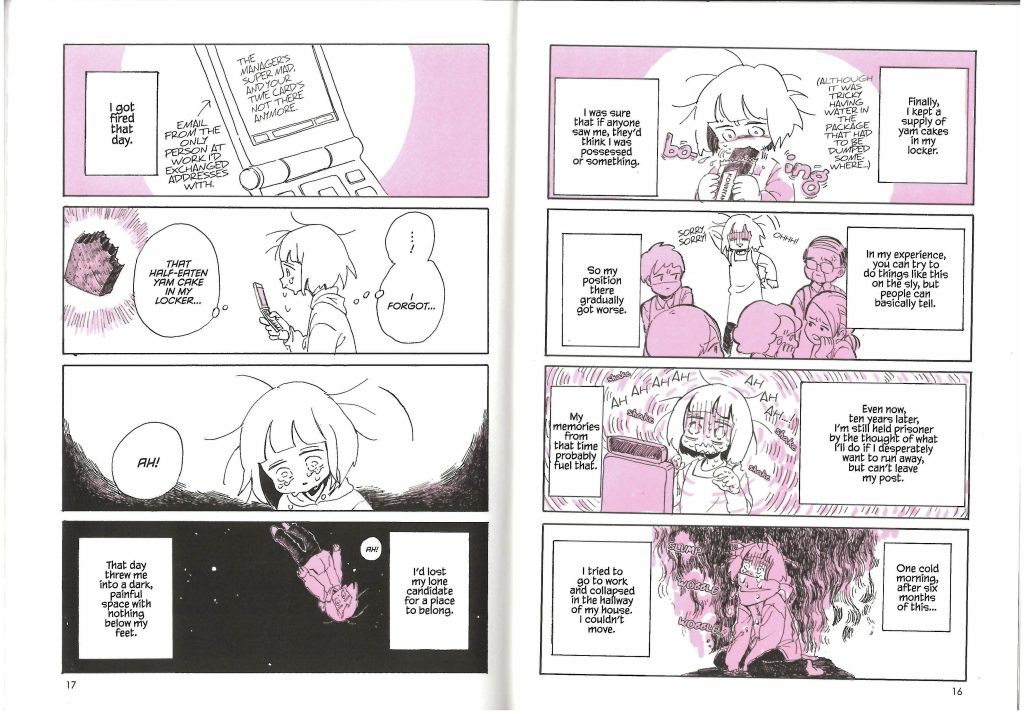
A facet that greatly influenced my approach to this project is Nagata-san’s illustrative approach. It exercises heavy stylization with looseness and is a unique subset of classic manga styles. She employs choppy lineart and simplified forms in a guileless fashion, yes to convey attractive and stylized visuals in general, but also to reflect her person in both physical and mental states. Her facial expressions are amplified to convey clarity over what they are meant to represent. Repeating patterns symbolize her character’s situations like hopelessness and distress via utilising shape and form. Her linework is in direct correlation to herself and everything she is experiencing – her stylisation has meaning. This is in opposition to her fictional non-autobiographical works, which are illustrated in a more professional and style-specific manner. Her approach to visual stylisation inspired me greatly as it rawly displays exactly what is happening without attempting to mollify the unappealing aspects of her reality. Her work is true and honest, and I greatly appreciate the clarity she has with the reader even though the subject matter could understandably be embarrassing when presented in detail to an audience of thousands.
Before I discovered this series, I had not known that autobiographies that are illustrated in a graphic novel/comic/manga format even existed. Upon further research, it seems it is still a market that has not been explored as much as I had imagined, as offerings are fairly limited. Whilst graphic novels do often draw a lot of inspiration and experiences from the author, which is then translated into a fictional creation just like typical non-graphic novels, autobiographies interpreted in the same style are still a relatively rare occurrence. Even with the limited number of other graphic novels I did discover that were fully autobiographical, I was not able to find any other published works that were so authentic, absolute and true to the author themselves as Natata-san’s work (aside from some small creations I’ve discovered by artists on Twitter). Those other published works seem to always be packed with metaphors, analogies and exaggerated representations, seemingly in an attempt to accentuate the importance of whatever they are offering, which I don’t appreciate as much even though the overall intention is similar. This may be due to the common desire for many humans to be obsessive over other people’s lives in a manner comparable to gossiping – something not as direct, invasive and absolute can be not as interesting. Senior lecturer Anne Chappell clarifies that this can greatly come down to humans seeking awareness, stating “All the stories that we encounter directly in person with other people – and those we read about and see about and hear about and engage with – are all having some kind of impact in shaping our shared understandings of society” (Chappell, n.d.). With competition in this market and its audience being rather modest, as well as the ‘meta’ nature and the interactive twist of my project, I believe I can produce something original and compelling that would vastly appeal to many.
Below are some sets of pages from various releases in her series that stand out to me and are the most inspiring.
Book 1: My Lesbian Experience with Loneliness:
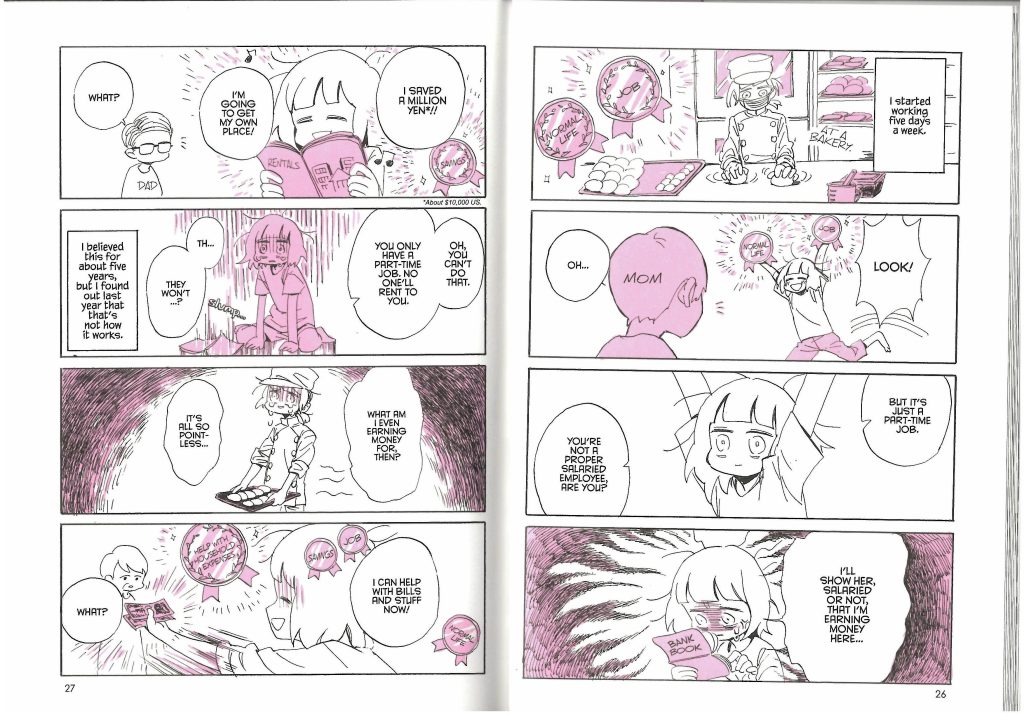
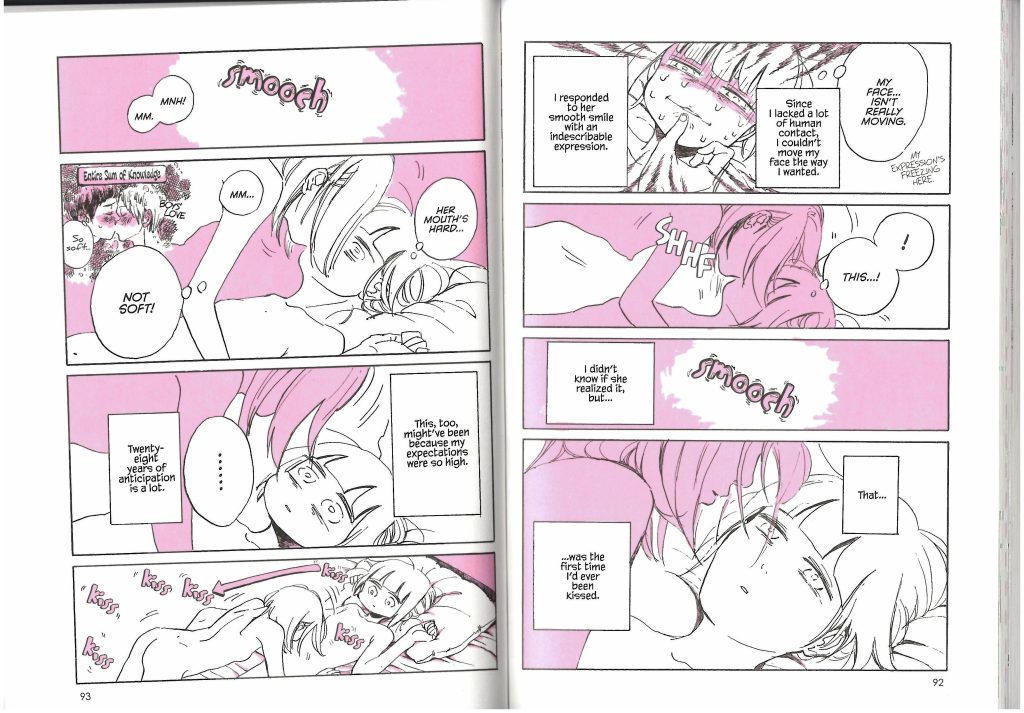
I admire the disparity between how different emotions are depicted between just a few panels across the same page(s), as it reflects the human ability to immediately shift emotions and thoughts. The first panel in Figure 2 shows panic alongside a disconnect between Nagata-san’s face and how she wants her face to emote, through the hilarious expression she conveys and the stark visual decorations around her that chaotically reflect her despair. A few panels later, her face displays tranquillity as a result of the scenario happening to her, and her facial structure is depicted more realistically/anatomically correctly to reflect the maturity of the scenario and her thoughts. In the final page’s last panel, her facial structure has completely changed to being simplified and rounder in a ‘chibi’-like manner to express the vacancy in her mind upon sudden realisation.
Book 2: My Solo Exchange Diary Vol. 1:
A common theme in Natata-san’s work I value is the gradual switch back and forth between depictions of reality and how she feels in her mind. The first two panels of each page in Figure 3 show what actually happened in that part of the story, and then the next two show an artistic representation of how she feels as an immediate response to those moments. She isn’t trying to tell the viewer that she actually started expelling dark essence or was floating in a ‘dark, painful space’ – she trusts our ability to understand that these are depictions of how those scenarios feel.
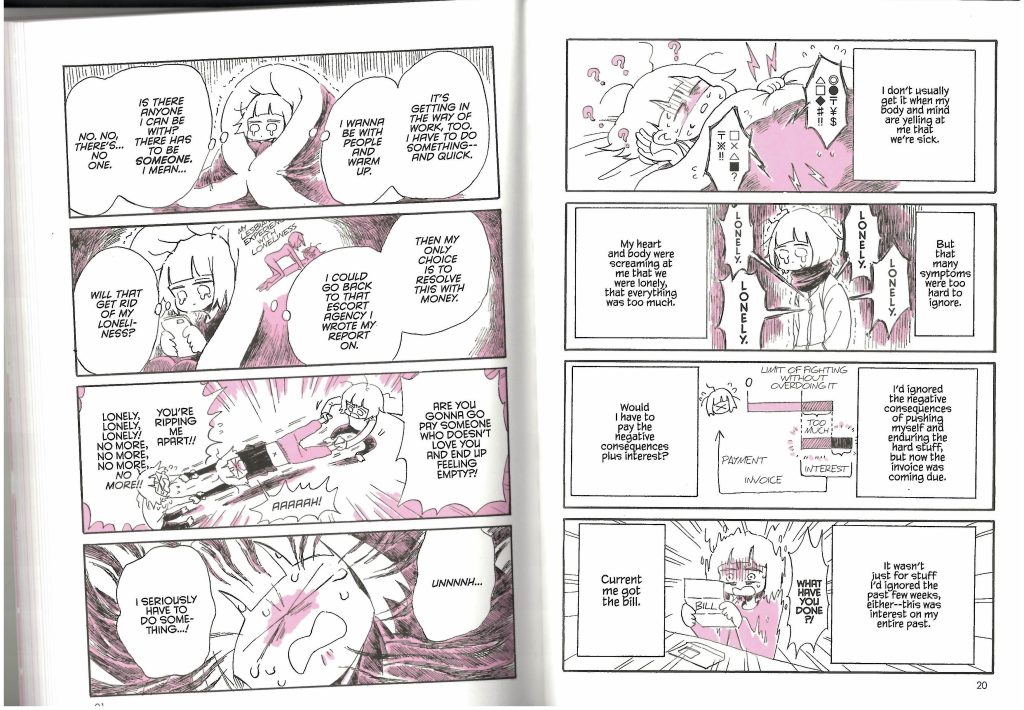
Throughout her book series, Nagata-san uses two different formats of text – speech and thought bubbles are used to show what she had thought and spoken at the time in a literal sense, whilst boxes provide narration over what is being depicted and her reflections on the matters in the present tense. I plan on only using speech and thought bubbles as I haven’t had any time to reflect on my life and issues, and I would like to focus more on the ambient space in the panels.
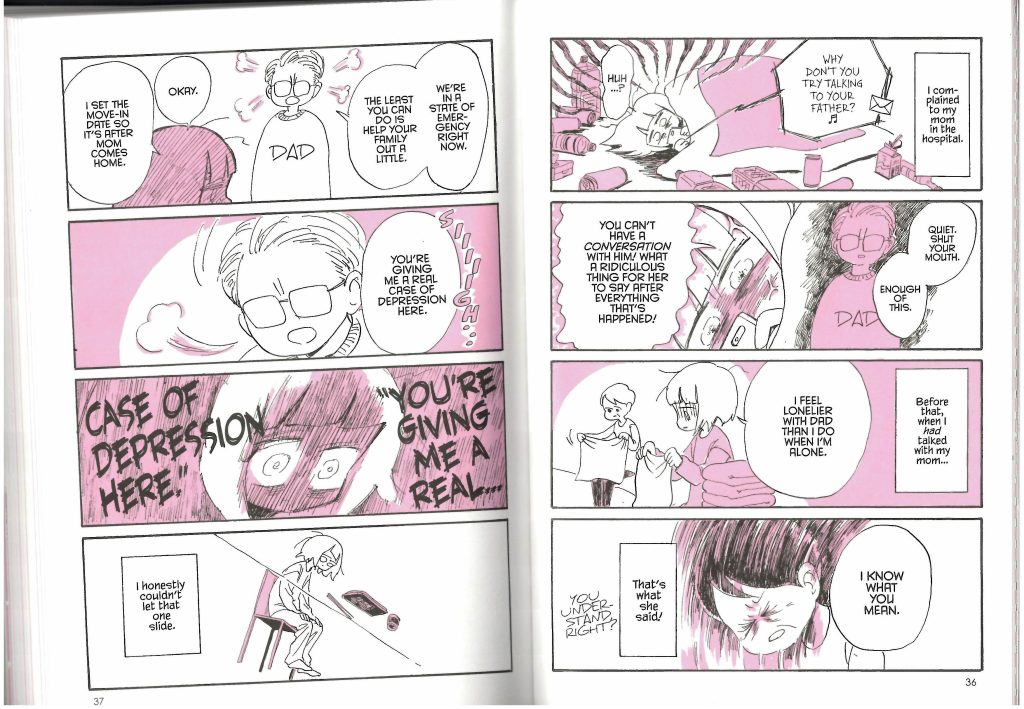
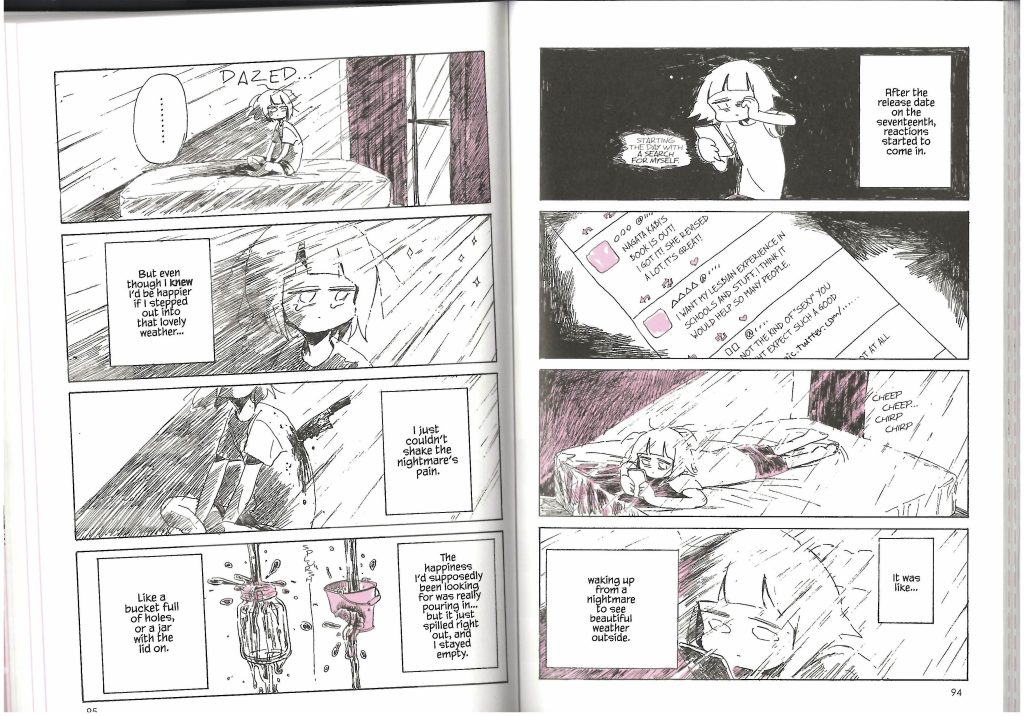
I really like the subtlety of her representation of despair across these pages (Figure 6). For particularly gloomy moments in my final product, I’d like to go about it in a similar way.
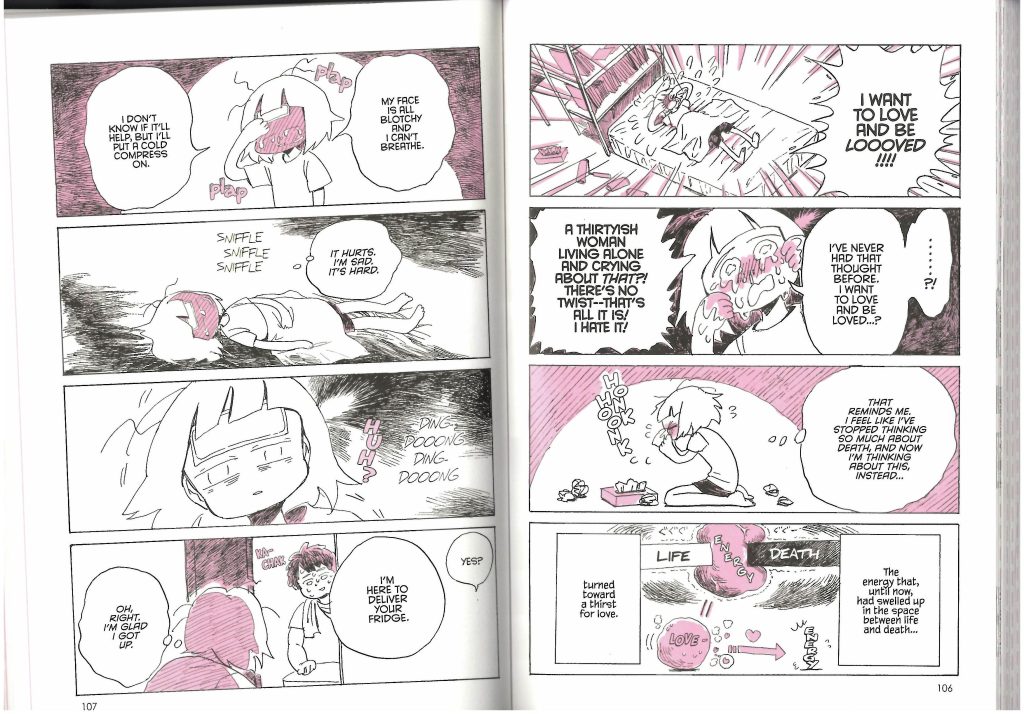
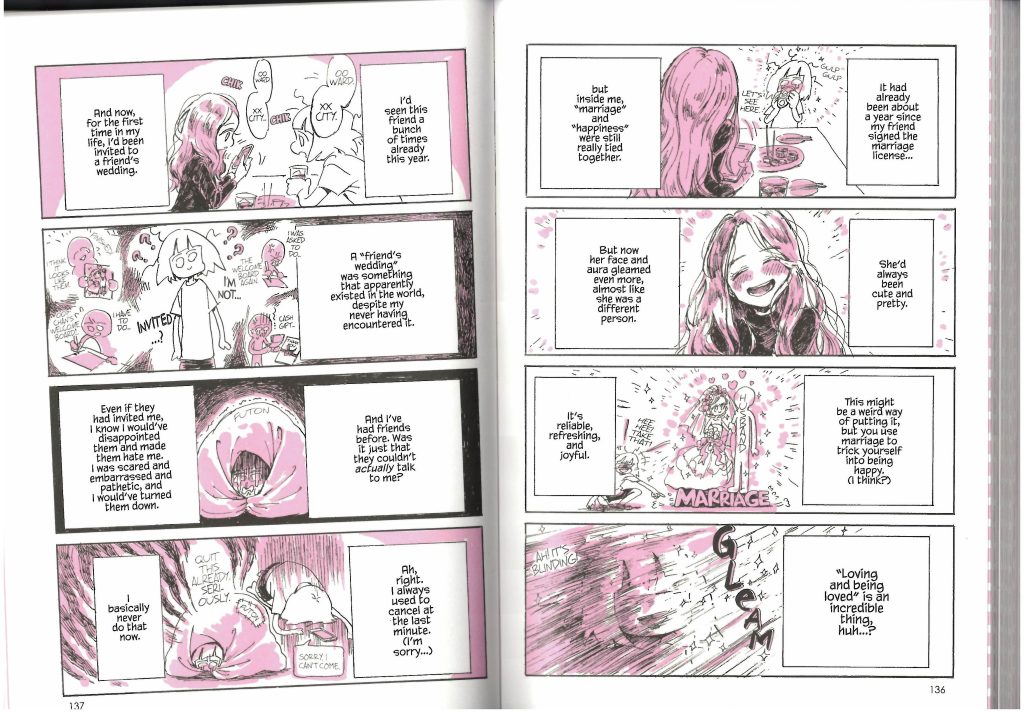
Something I noticed about the author upon reading these pages (Figure 8) is that she seems to visualise herself in a different light to others in her life. Even though she’s drawn both herself and her friend in the same panel(s), she draws herself rougher and simpler and her friend with much more visual detail, shading/lighting and realism, because she sees her as ‘cute and pretty’ – prettier than how she sees herself.
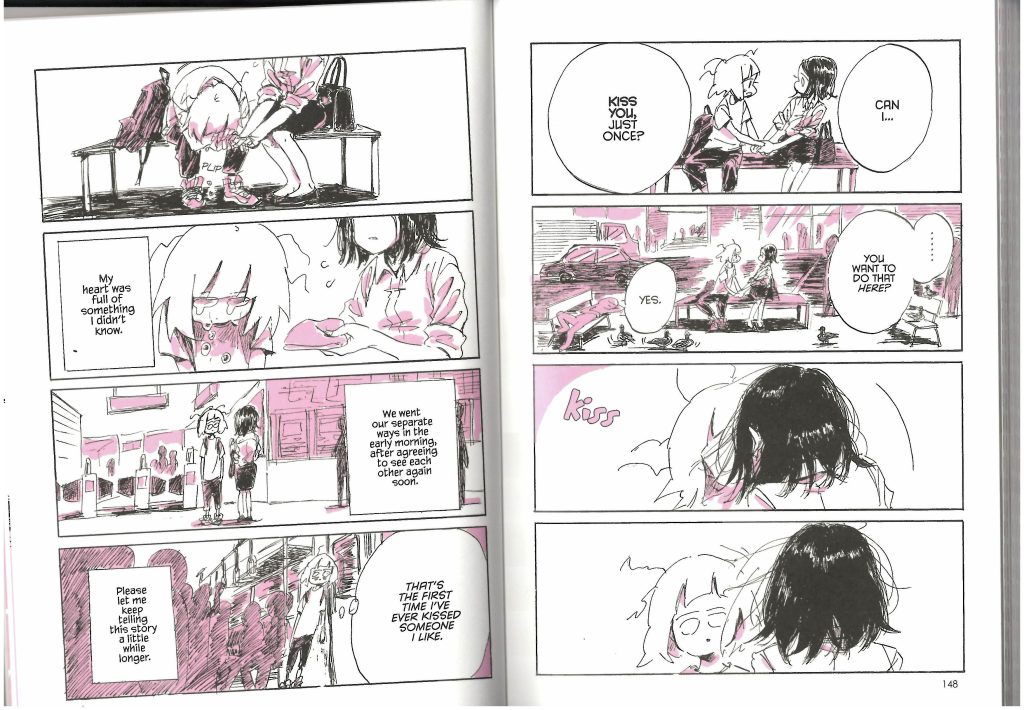
Scenes like this (Figure 9), scenes that are ‘in the moment’, are the kind of scenes I want to explore.
Book 4: My Alcoholic Escape from Reality:
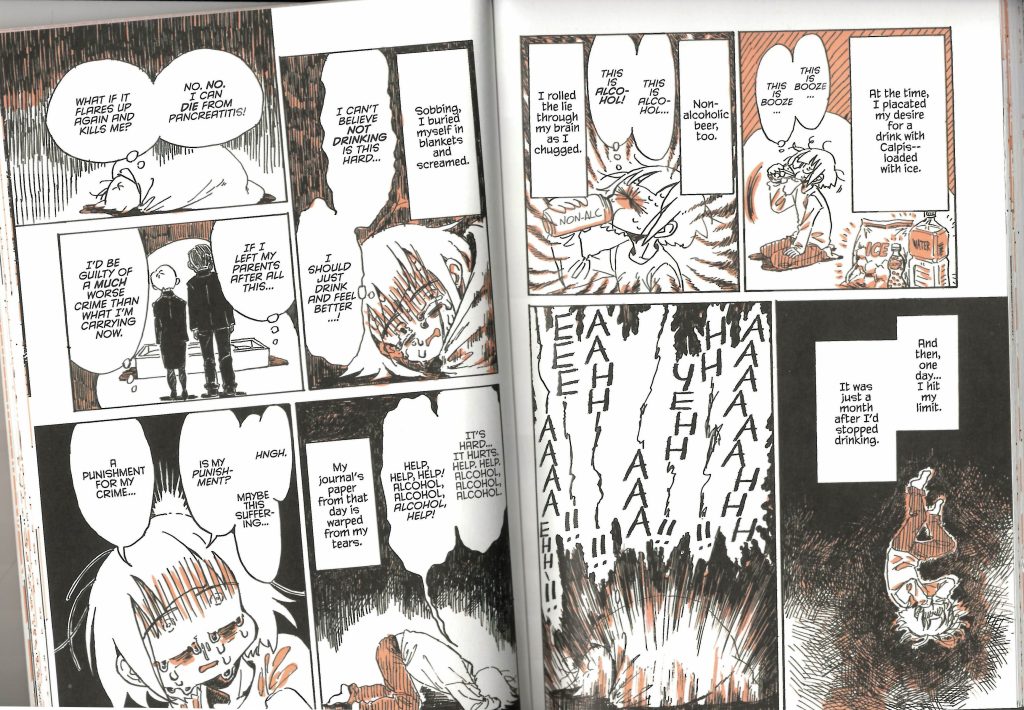
I am a big fan of visual flourishes that depict intense emotion and commotion, and here (Figure 10) it is all done through linework. Sharp and dark repeating lines serve severe despair and anguish in this scene and work like a visual equivalent to onomatopoeia.
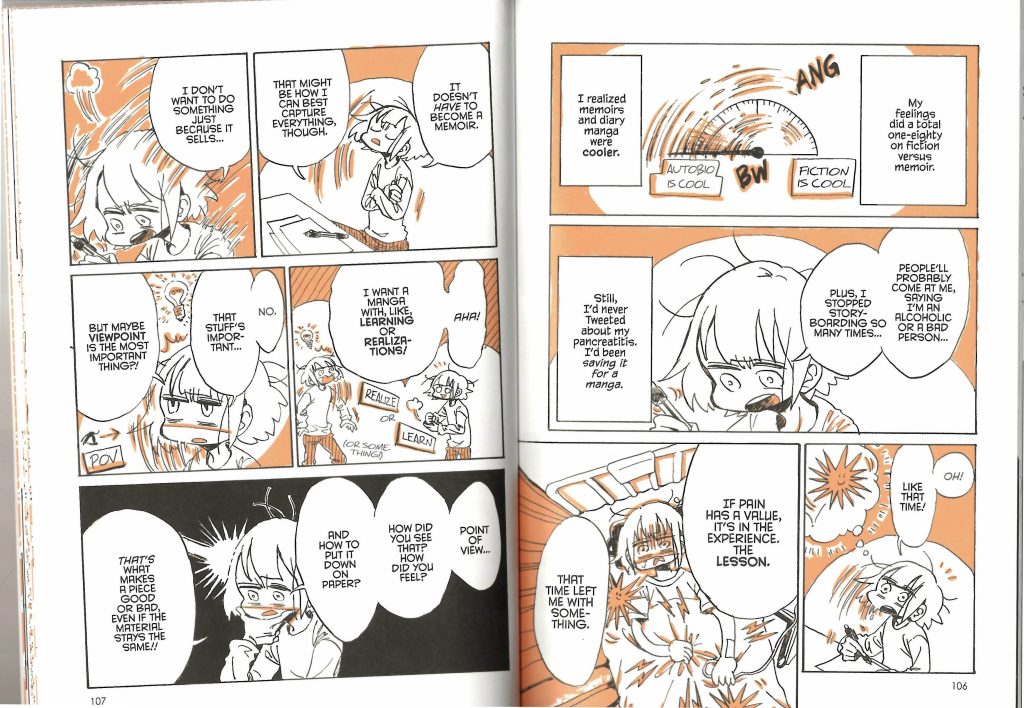
The fourth book in her series is the only one to use orange shading rather than pink. This may have been just a decision on the editor/publisher’s end, but I like to interpret it as a deliberate choice to complement this release’s different tone and subject matter. I am not planning on incorporating colour in a similar manner into my project’s final product due to time constraints but adding some colour here and there could work well in further complementing different emotions, especially particularly strong ones.
References:
Title image:
Kabi, N. (2021) [Image]. Available online: https://www.animenewsnetwork.com/news/2021-02-13/kabi-nagata-launches-new-manga-on-february-19/.169449 [Accessed 22/05/2023].
Figures 1 and 2:
Nagata, K. (2017) My Lesbian Experience with Loneliness. Tokyo, Japan: Seven Seas Entertainment, LLC.
Figures 3, 4, 5, 6, 7, 8 and 9:
Nagata, K. (2018) My Solo Exchange Diary: Volume 1. Tokyo, Japan: Seven Seas Entertainment, LLC.
Figures 10 and 11:
Nagata, K. (2021) My Alcoholic Escape from Reality. Tokyo, Japan: Seven Seas Entertainment, LLC.
Chappell’s study, as cited in Krysten (2021) Humans are curious – and we’re looking into each other’s lives more than ever. But in a pandemic, this might not simply be a nosy habit. Available online: https://www.bbc.com/worklife/article/20210302-why-we-cant-stop-peeking-into-other-peoples-lives [Accessed: 22/05/2023].